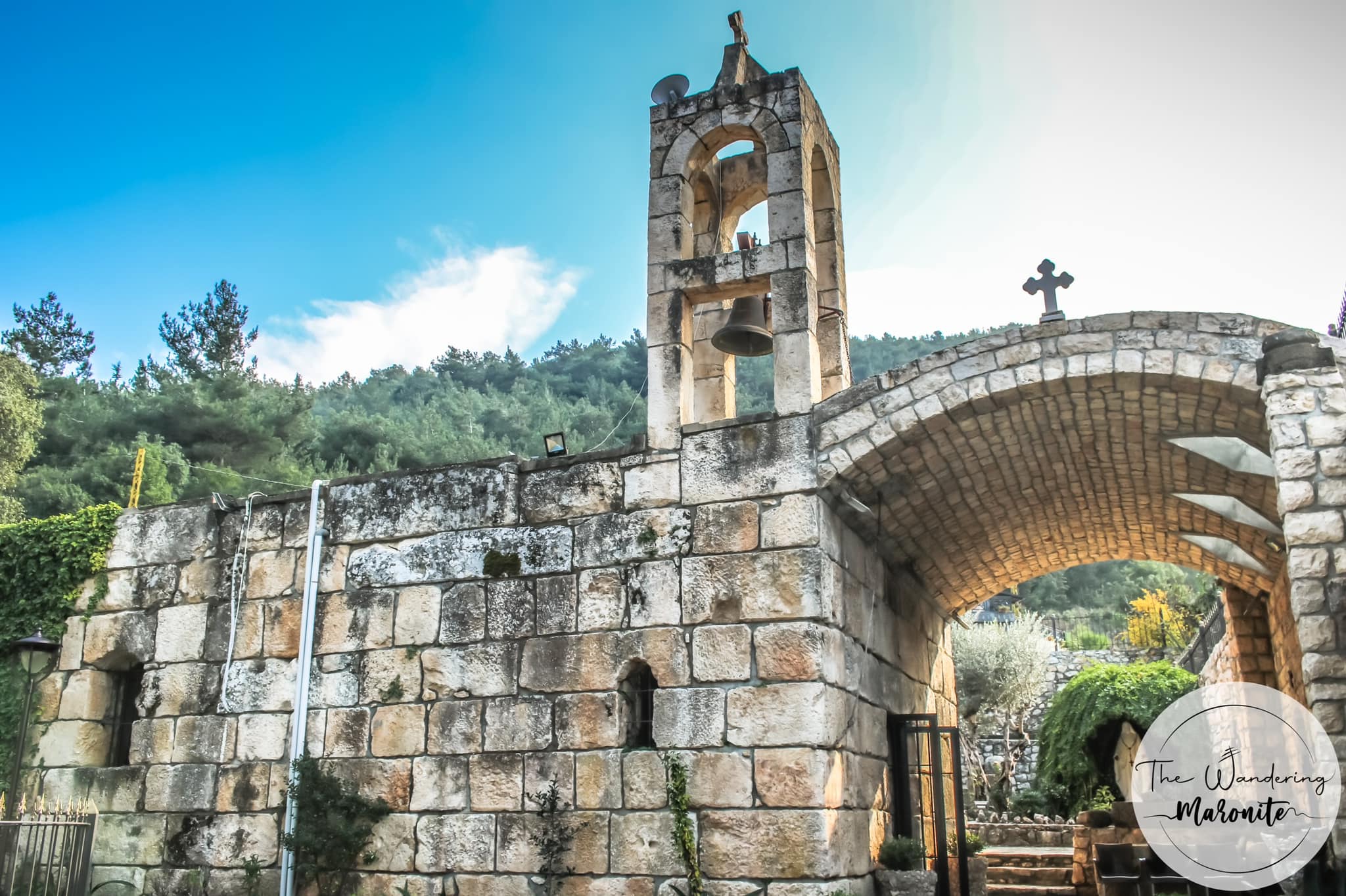
دير مار شليطا - القبيات
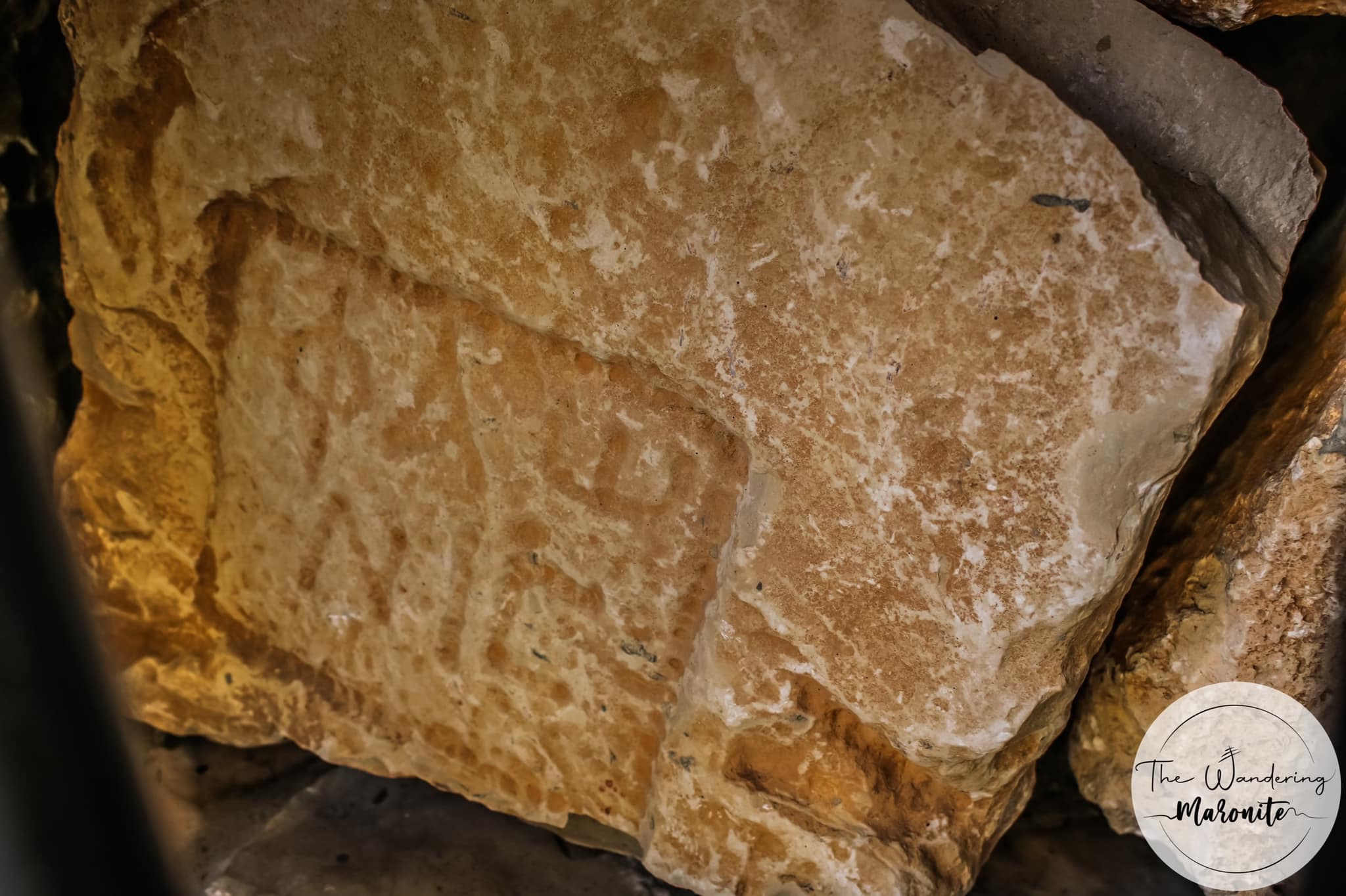
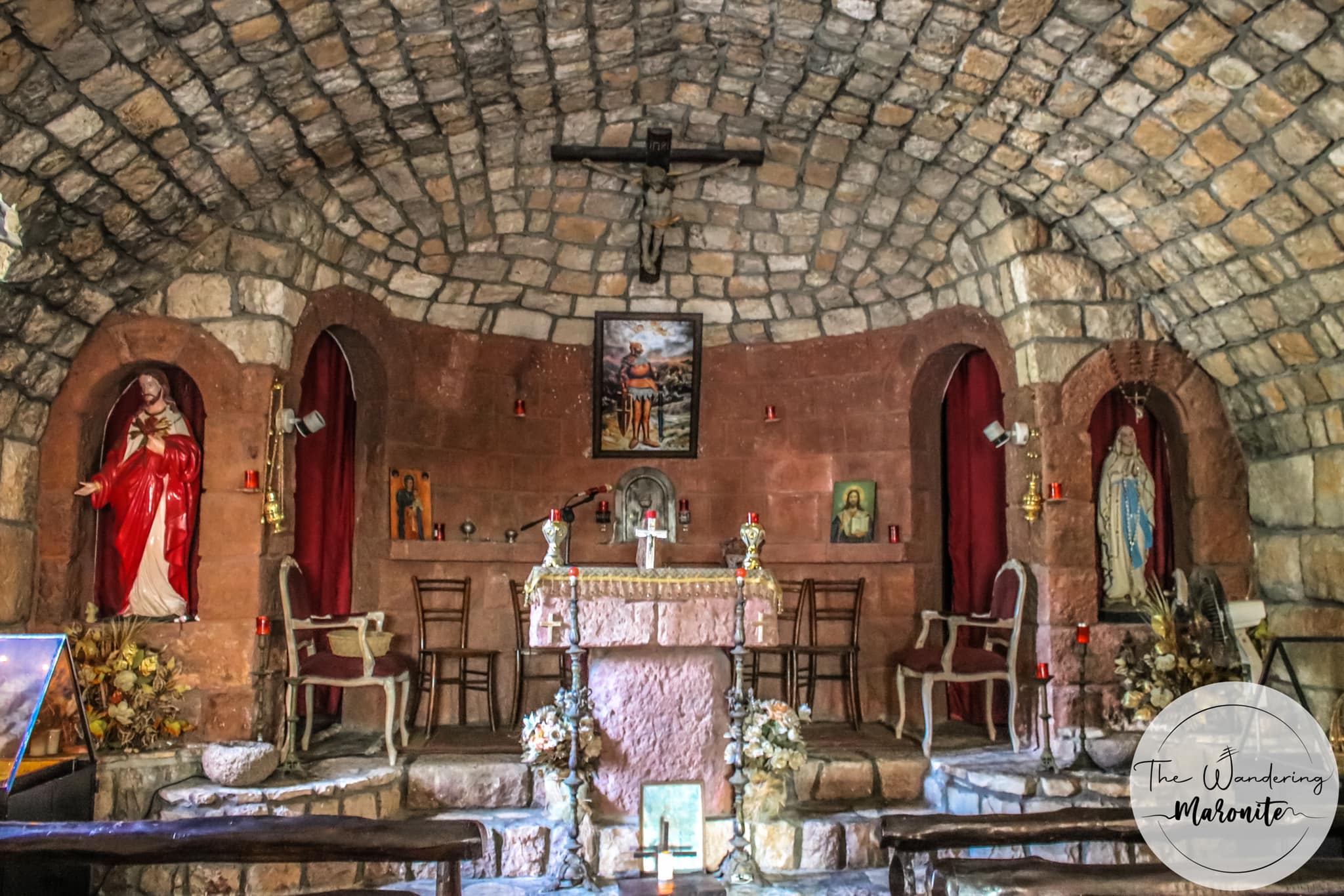
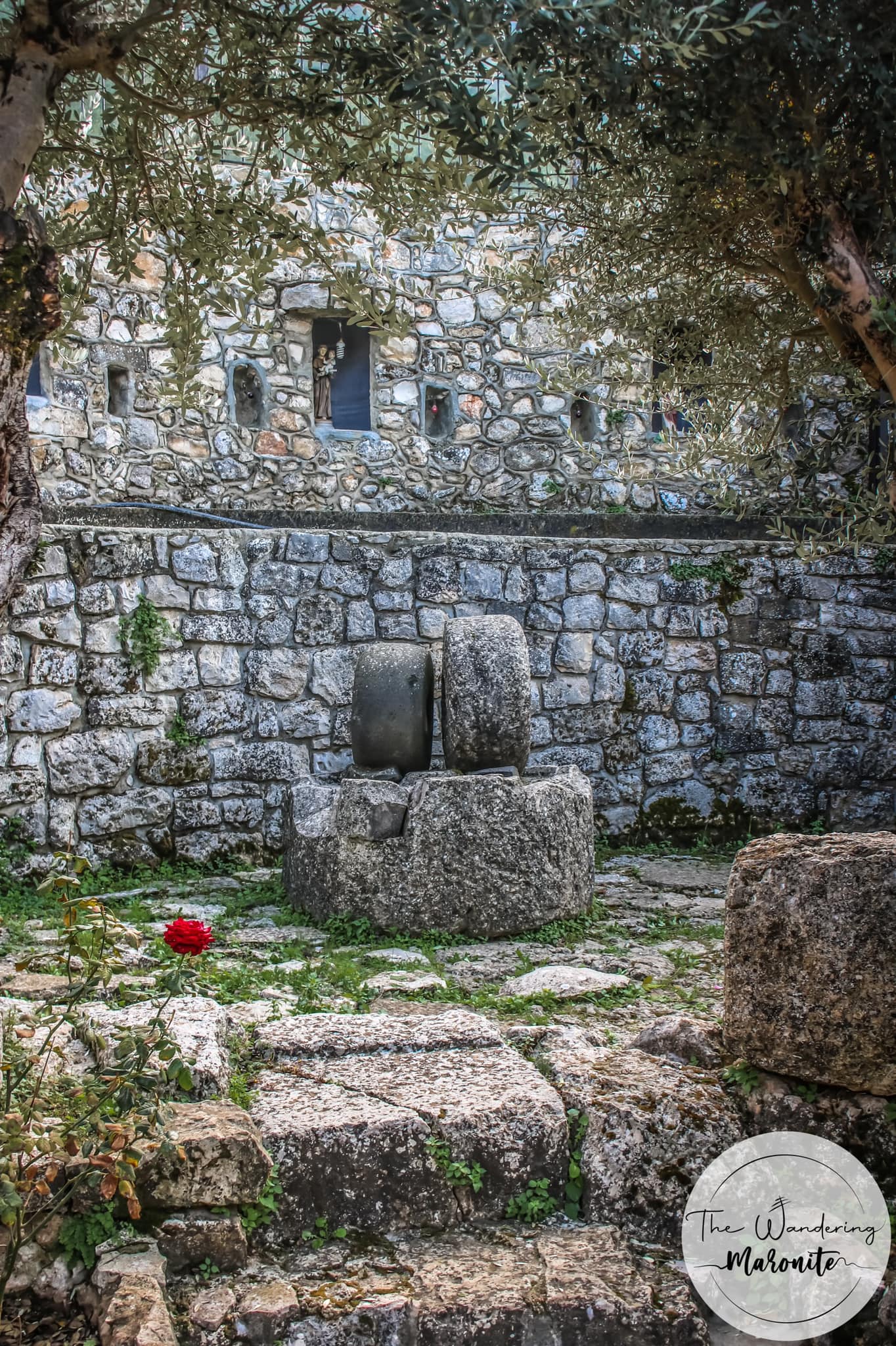
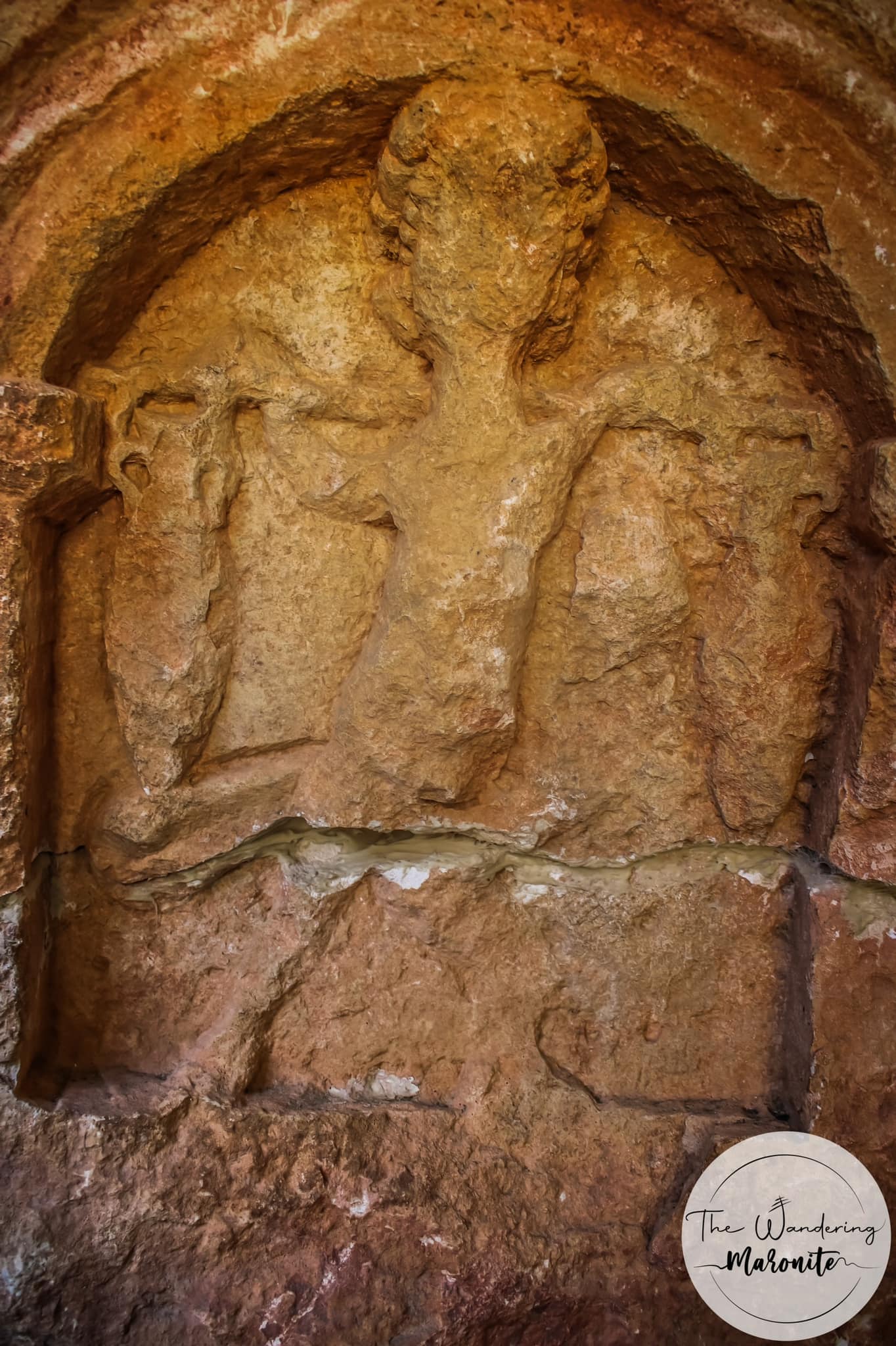
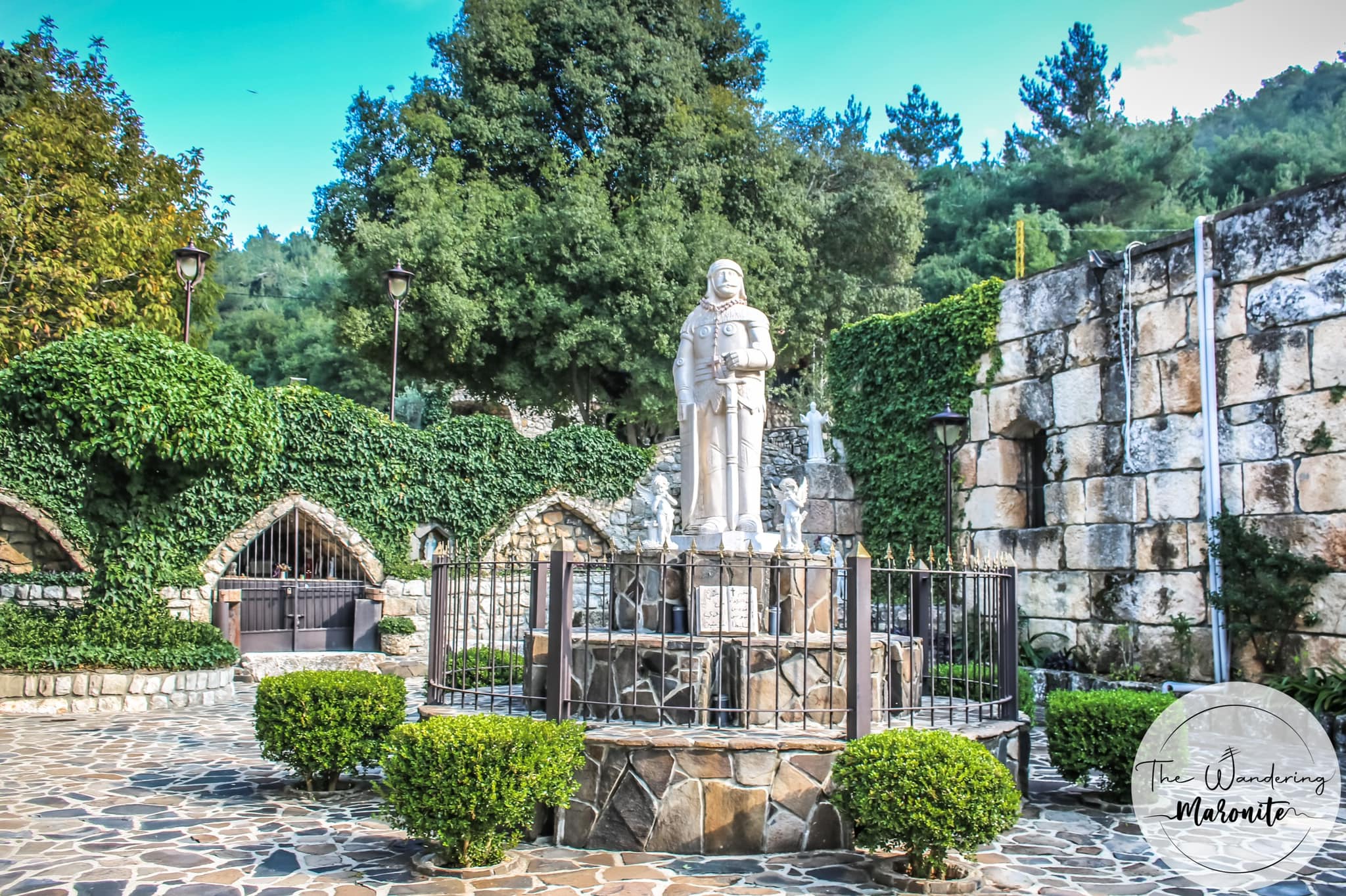
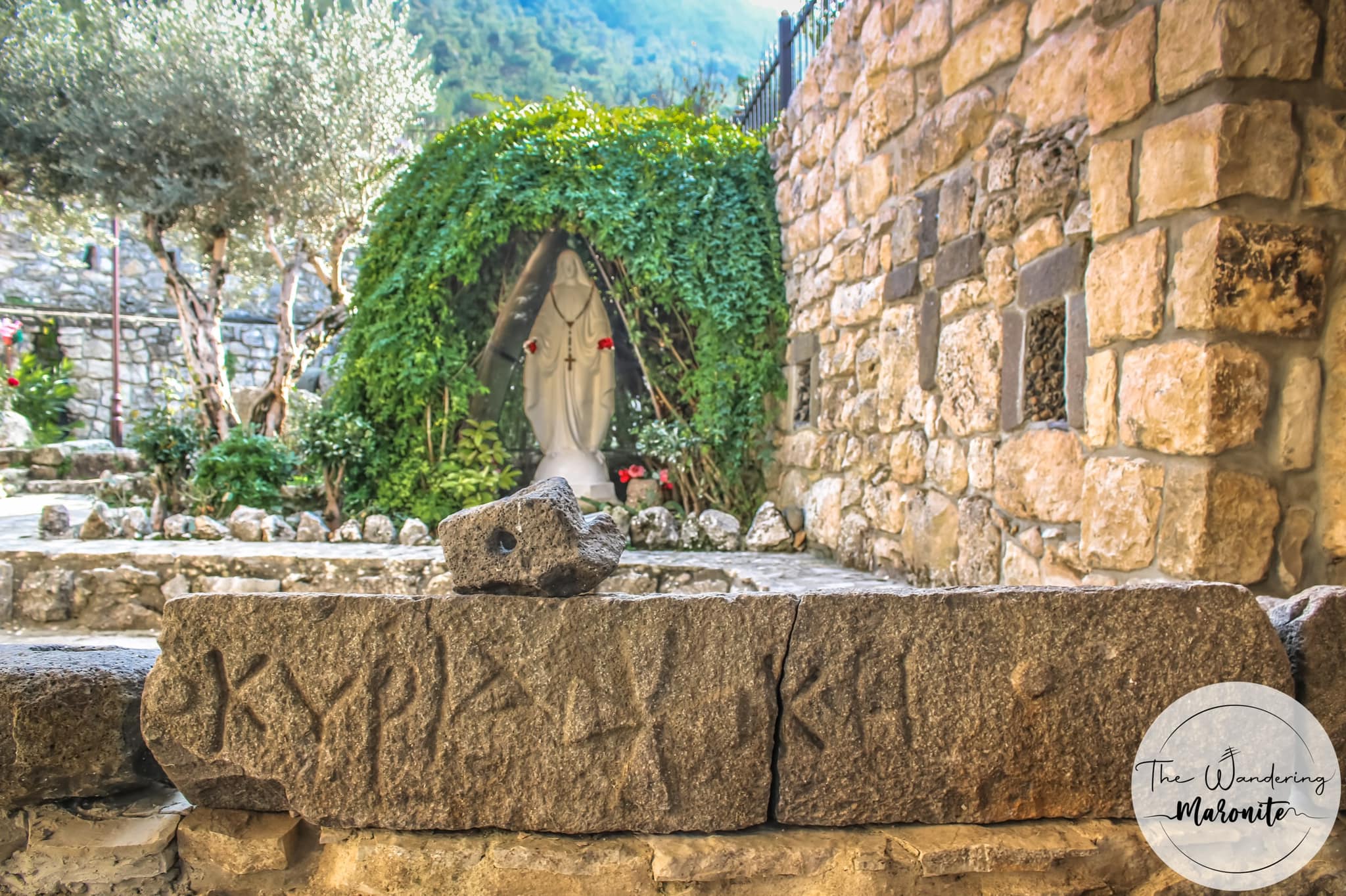
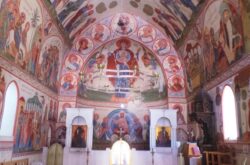
يقع الدّير في منطقة وادي حلسبان، في الأصل كان البناء معبدًا رومانيًّا للإله بان إله الرعيان والمواشي. حوّله الأهالي إلى كنيسةٍ بيزنطيّة على اسم القدّيس شليطا (أرتاميوس) شفيع الحيوانات والمواشي، إشارةً إلى تحوّلهم من الوثنيّة. بقي الدّير مُهملاً فترةً طويلةً، فآل إلى الخراب. خلال تسعينيّات القرن العشرين رُمّم الدّير، لكنّ الترميم أزال قسمًا كبيرًا من معالمه. أصبح الدّير اليوم مقصدًا للسيّاح ومحجًّا.
The monastery of Chalita - Kobayyat
The monastery is located in the valley of Helesban. The building was a roman temple dedicated to Pan the god of shepherds. The temple was converted into a church during the byzantine era and was dedicated to St Chalita (Arthemius) the patron saint of animals and heards. After the middle ages, the monastery fell into ruins for along time. The structure was restored in the last decade of the XXth century, yet the restoration destroyed many of the original elements. The monastery became a pilgrimage site.
كنيسة تلاميذ مار مارون مطرانيّة جبيل المارونيّة - عمشيت
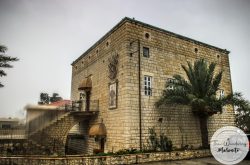
في ٢٥ حزيران سنة ١٨٩٢ أوقف فارس جبوّر كرم بيته وأرزاقه لنيابة جبيل البطريركيّة، لتكون مركزًا للنائب البطريركيّ. سنة ١٩٠٨ كُرّست الكنيسة في الطابق السفليّ على اسم الشهداء الثلاثمئة والخمسون تلاميذ مار مارون. الكنيسة كناية عن قبوٍ طويل فيه مذبح خشبيّ. رمّم البناء سنة ١٩٩١ وأصبح مقرًّا لأبرشيّة جبيل المارونيّة.
The church of the disciples of St Maroun in Jbeil’s episcopal seat - Aamchit
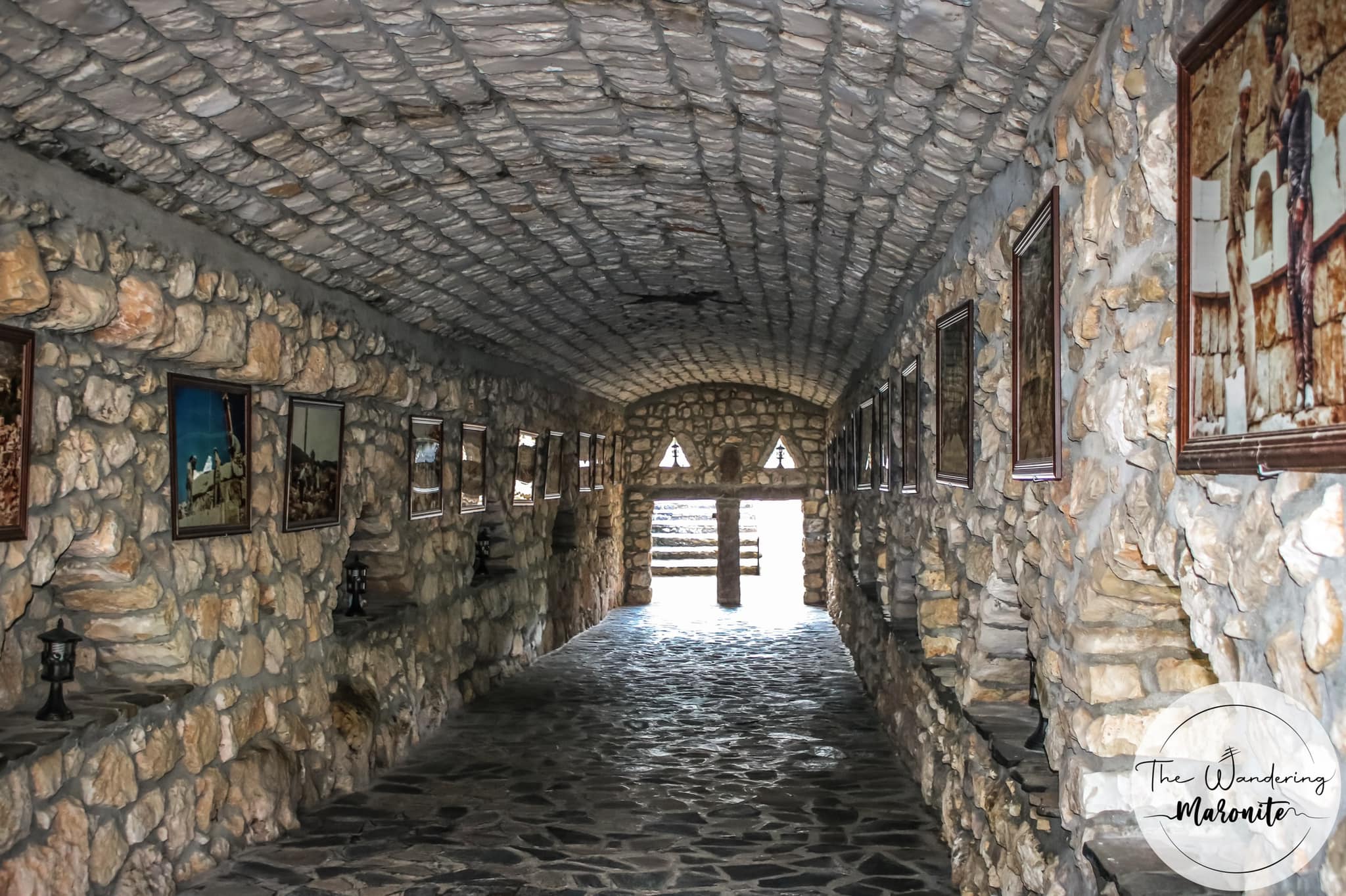
On the 25th of June 1892, Fares Jabbour Karam donated his estate to the patriarcal vicariats of Jbeil to become a headquarter for the patriarcal vicar. In 1908 a small church dedicated to the 350 martyrs disciples of St Maroun was consecrated in a vault on the groud floor. The church has a wooden altar and tabernacle. The structure was renovated in 1991 and became the seat of the newly created Maronite Bishopric of Jbeil.
The convent’s ancient origin is attached to a legend. A rich man of the region committed adultery; filled with remorse, he attached a padlocked iron chain to his ankle and threw the key into the sea-shore and survived on the fish brought to him by local fishermen, who called him the guardian of the cavern. One day, a fisherman brought him a fish, in whose entrails the hermit found the key of the padlock. He knew then that God had delivered him from his suffering, and he built a convent above the cavern. He dedicated it to The Mother of God, but it also took the name of the Guardian.
The daily life of the convent is regulated by the flow of visitors who come to fulfill vows and make prayers. Sister Catherine al-Jamal is the principal resident of Dayr al-Natour, and she has done everything within her power to restore it.
According to the Crusader document, the Monastery of the Presentation of Our Lady Natour was built by Cistercians. Indeed, the Church interior resembles that of the Cistercian Church of Balamand, built in 1157. Otherwise, the history of Dayr al-Natour is hidden in obscurity, although it is said that the local Orthodox community took it over after the departure of the Crusaders. Its name is almost unmentioned by historical sources during the Mamluk and most of the Ottoman period, although it is reported that French corsairs attacked the Monastery at the beginning of the eighteenth century and killed a monk.
In 1838, the Ottoman authorities gave permission to the Monastery to be rebuilt. In the second half of the nineteenth century, it contained several monks and a superior, and it possessed fifteen dunums of land. During the First World War, it was bombarded by a Russian ship. A few years later, the Monastery lost its last Superior, Basilios Debs, who became Archbishop of Akkar. After his departure, monastic life ended at Dayr al-Natour.
During the twentieth century, the deserted monastery became a refuge for shepherds from the neighboring regions. In 1973, Sister Catherine al-Jamal moved to Dayr al-Natour and began to restore it from its ruin.
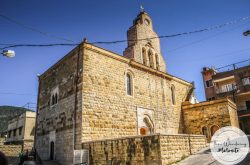
بُنيت سنة ١٤٧٠ بحسب تأريخ الشدياق انطونيوس العنطوري، وورد ذكرها كذلك مع البطريرك اسطفانوس الدويهيّ في تاريخ الأزمنة. البناء الحاليّ يعود لسنة ١٨٦٨، لكنّ الكنيسة رُممّت ووسّعت على عدّة مراحل. تتميّز الكنيسة بعقدها المصالب ذات اللونين وهو من حجر مقالع البلدة المحليّ. في سبعينيّات القرن العشرين أضاف أحد أبناء البلدة المغترين قبّة الساعة. تضمّ الكنيسة ثلاث لوحات للفنّان داوود القرم، أمّا الزجاجيّات فهي من عمل الأب عبده بدوي.
The church of Sts Sergius and Bacchus - Tourza
The church was built in 1470 according to the chronicles of the Subdeacon Antonyos El Aintoury, and it is also mentioned in Patriarch Stephen El Douaihy's "History of the Times". The current building dates back to 1868, yet the church was restored and enlarged on many occasions. The church consists of a crossed vault with two colors stones from the local quaries. During the seventies an emigrant donated the unique clock tower. The church holds three paintings from Dawoud Al Qorm dating back to 1892, and stained glass windows by Fr Abdo Badawi.




Reviews are disabled, but trackbacks and pingbacks are open.